Birdsongs of Appalachia
Learn to identify birds by sound!
Online: Monday Evenings May 4 - 25
This 4 week online course is now offered FOR FREE thanks to
Highlands-Cashiers Land Trust and it’s generous supporters
ONLINE CLASSES will take place Monday Evenings:
May 4, 11, 18, & 25 from 6:30 - 8:00 pm
*online classes will be recorded and available on-demand for those who can’t attend live


Course Details & Logistics
What is the Cost?
Thanks to sponsorship by the Highlands-Cashiers Land Trust and their generous supporters, this 4 week online course is offered FOR FREE. We hope that this learning opportunity will inspire more community members to protect birds and bird habitat through land stewardship and supporting local conservation initiatives in our region.
Learn more about Wild Remembering’s philosophy of Gift Economy here.
Who is this course for?
From beginners, to bird-curious, to full-fledged bird-nerds, the classes, field trips, and homework are all designed to be accessible and engaging for anyone-wherever you may be on your birding journey. As a participant in this course you will be invited to choose your own adventure and go at your own pace.
A very basic knowledge of common birds will be a helpful foundation but complete newbies can pick that up along the way. No musical background is necessary- we will start with the basics and build our vocabularies as we hone our attention to the musical qualities of birdsongs!
Where & when will the course take place?
ONLINE CLASSES
Four live sessions on Monday evenings: May 4, 11, 18, & 25 (6:30 - 8:00pm ET) .These sessions will be recorded for those who can’t attend live.
BIRDING FIELD TRIPS*
In addition to the online classes, several field trips to local birding hotspots will be offered throughout the season. Field trips will require separate registration and will be posted on the Highlands-Cashiers Land Trust Events Page and the HCLT Instagram.
ONLINE HOMEWORK MODULES
Four optional self-study homework modules including additional videos, helpful resources and field assignments and study challenges will be posted each week and available on-demand for your convenience.
What if I don’t live in Western NC?
This course focuses on the birds and habitats of Southern Appalachia but will still be mostly relevant to anyone living throughout the Southeastern US.
While those living outside of the greater Southern Appalachian region will still benefit from learning to apply the skills of Birdsong Identification, some of the birds we focus on may not be native to your area.
Will there be homework?
In addition to the online classes and birding field trips, participants will be invited to complete optional weekly field assignments and study challenges. To complete these and to get the most out of the course, participants will be encouraged to spend at least 15 minutes per day at their “birding sit spot”.
Beyond that it’s totally up to you! Some folks might choose to spend every waking moment observing, journaling, and completing homework activites while others might be contented with just a few minutes gazing at the titmice on their feeder while they sip coffee. You can be the master of your own birding destiny!
Luckily, you don’t need much special equipment to begin birding.
Binoculars - To get the most out of this course you will need a pair of binoculars. 8x42 binoculars are the most commonly used optics for birding and a decent pair can be bought new for as little as $150. We recommend Vortex Crossfire, Nocs Provision Field Issue, Celestron Nature DX, or Nikon Prostaff P7 as affordable entry-level optics.
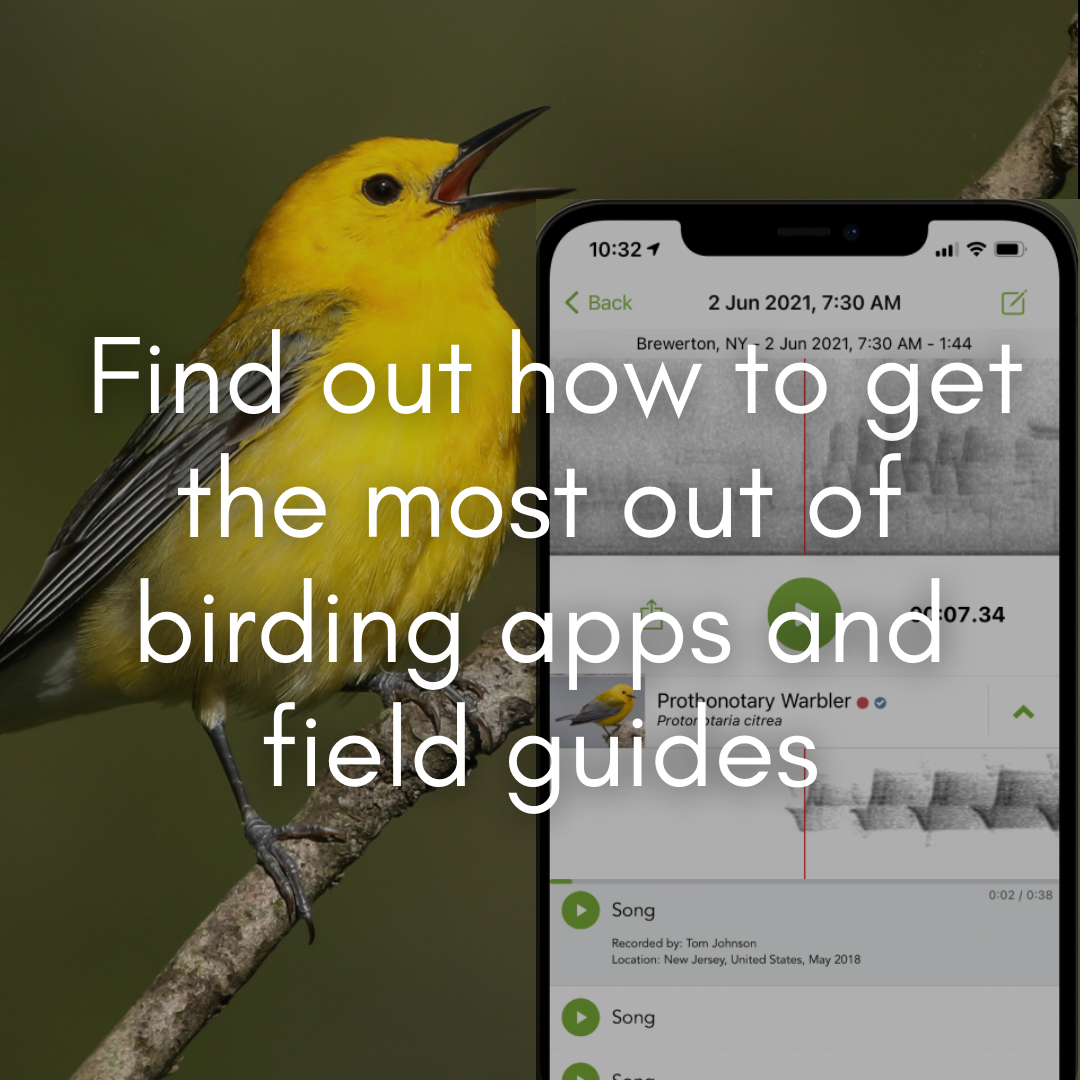
Birding Field Guide- This will be an invaluable resource throughout your birding journey and will help you complete the optional field assignments for this course. We recommend either the Peterson’s Guide or Sibley’s Guide to Eastern Birds -both are great and very affordable. Additionally, the birding apps Merlin, Audubon Bird Guide, and eBird are all awesome and free (but won’t replace a good hard-copy field guide).
A notebook and pencil- These will be great to take notes and make sketches to complete the optional field assignments.
Appropriate clothing and footwear- Hiking shoes, warm layers and rain jackets are always highly recommended. Stay comfy and safe!

About Your Teacher
Topher has been a leader of outdoor and experiential education programs for over 15 years. An adventurer at heart, he’s lugged his binoculars across mountain glaciers, sandstone canyons, and temperate rainforests in search of strange and beautiful birds. Drawing from his background in conservation biology, mindfulness education, and nature-based mentoring, he brings a reverence for all life and a deep respect for the more-than-human world to his teaching. His favorite birding spot is his backyard on Caney Fork and his favorite bird is whichever one he’s looking at right now. He is super stoked to share his love of birds with passionate and curious folks in his home community.